The Ultimate Guide to Planning a Princess Party Menu
Planning a full princess party menu involves real balance, enough food variety to satisfy different appetites and preferences, without so much that it becomes overwhelming to prepare or genuinely wasteful once the party’s over.
This guide walks through the actual planning process, from estimating quantities through building a realistic, well-balanced menu that doesn’t require professional catering or an unreasonable amount of your own prep time. Once the menu is roughed out, our guide to planning princess party activities covers how to fill the rest of the party’s schedule.
Start With a Realistic Guest Count
Before planning any specific food item, get a genuinely accurate headcount, including both kids and any adults who’ll be eating, since this number drives every other quantity decision that follows. Overestimating leads to real waste, while underestimating creates real stress on the actual day.
Build in a small buffer beyond your confirmed RSVP count, a few extra portions accounts for last-minute additions without meaningfully increasing your overall food waste risk.
Balance Variety Against Your Actual Prep Time
A menu with too many different items becomes really overwhelming to prepare, while too few options can leave picky eaters with nothing they actually want. Finding the right balance matters more than maximizing variety for its own sake.
| Party Length | Suggested Food Categories | Rough Item Count |
|---|---|---|
| 1-2 hours | Snacks, one dessert, drinks | 3-4 items |
| 2-3 hours | Light meal, snacks, dessert, drinks | 5-6 items |
| 3+ hours | Full meal, snacks, dessert, drinks | 6-8 items |
Use this as a rough starting framework, adjusting based on your actual party’s specific timing and format.
Account for Dietary Restrictions Honestly
Ask about dietary restrictions and allergies directly when sending invitations, rather than assuming and potentially leaving a guest without anything they can safely eat. This small step prevents real stress and disappointment on the actual day.
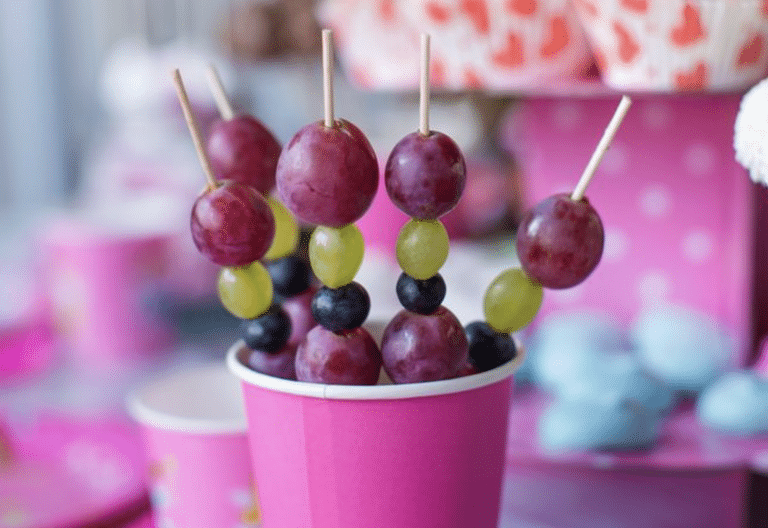
Having at least one or two options that are naturally allergen-friendly, simple fruit, plain vegetables, covers a wide range of restrictions without requiring an entirely separate menu.
Sequence Your Prep to Avoid a Chaotic Day
Planning which items can actually be made ahead versus which need last-minute assembly matters enormously for keeping the actual party day manageable rather than chaotic. Front-loading as much prep as possible onto earlier days reduces real stress.
Create a simple prep timeline working backward from the party start time, this small planning step prevents the common experience of still cooking as guests begin arriving.
Balancing Savory and Sweet
A menu weighted too heavily toward sweet items can leave kids overstimulated and parents concerned, while a menu with too little dessert can feel like it’s missing the celebratory element entirely. A thoughtful balance serves everyone better.
Aim for roughly equal representation between savory options and sweet treats, this balance tends to keep energy levels and parent satisfaction both in a reasonable range throughout the party.
Planning for Realistic Serving Logistics
Beyond the food itself, think through how it will actually be served, self-serve stations reduce your own workload during the party but require some setup, while plated service takes more of your active time but offers more control.
Choose a serving style that matches your actual available help on the day, self-serve stations work particularly well if you’re managing the party largely on your own.
Estimating Realistic Quantities
Beyond deciding what to serve, estimating how much of each item to actually prepare prevents both the stress of running short and the waste of preparing far more than anyone eats.
| Food Type | Rough Quantity Per Guest |
|---|---|
| Savory bites (sandwiches, pizza bites) | 2-3 pieces |
| Fruit or veggie items | 1 small portion |
| Dessert (cake or cupcakes) | 1 generous slice or cupcake |
| Drinks | 1-2 cups |
These are rough starting estimates, adjust based on your specific guest list’s typical appetite and how many other food categories are also being served.
Adjusting for Kids Versus Adults
Kids and adults tend to eat differently at these parties, kids often graze lightly across several items while accompanying adults may eat a more standard portion of one or two things specifically. Accounting for this difference in your planning avoids both over and under-preparing.
If a meaningful number of adults will also be eating, consider one or two slightly more substantial options specifically appealing to them, alongside the kid-focused menu.
Final Thoughts
A well-planned princess party menu comes down to realistic quantity planning, thoughtful variety within reasonable prep limits, and honest attention to dietary needs, rather than an ambitious, Pinterest-perfect spread that creates more stress than celebration.
If you’re just starting to plan your menu, begin with an accurate guest count and your own realistic available prep time, these two factors shape nearly every other decision and tend to produce a menu that’s both enjoyable and actually manageable to pull off. If you haven’t settled on a theme yet, our guide to choosing a princess party theme is worth reading before finalizing the menu.