
The Complete Guide to Planning the Perfect Halloween Costume
Planning a great Halloween costume involves more than just picking a design, real comfort, weather, timing, and budget all factor into whether the costume actually holds up through an entire evening of trick-or-treating.
This guide walks through the full planning process, from choosing a concept through the final details that make a costume genuinely wearable, not just good in photos taken at home before heading out. If the costume is part of a larger Halloween gathering, our guide to planning a princess party menu covers the food side of that same event.
Start With What Your Child Actually Wants to Be
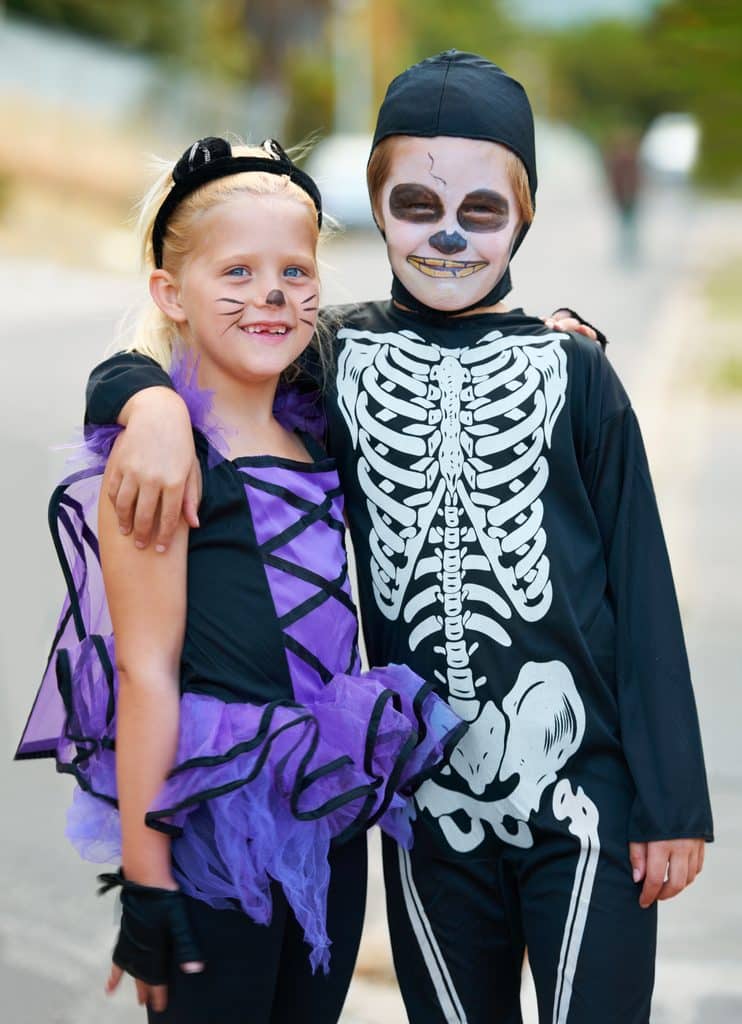
Before browsing costume ideas, ask your child directly what they actually want to be this year, rather than starting from a list of popular or trending options. Costumes chosen around genuine interest tend to be worn more enthusiastically than ones selected purely for visual appeal.
If your child struggles to decide, showing a few images from different categories, rather than describing options verbally, often reveals a clearer, more genuine preference.
Plan for Real Weather Conditions
Halloween weather varies enormously by region and by year, and a costume that looks perfect in warm weather can become genuinely uncomfortable or even unsafe in cold or wet conditions. Planning around your actual expected weather matters more than most people initially consider.
Build in a layering option from the start, a costume that can accommodate a warm layer underneath without ruining the look solves a lot of last-minute weather surprises.
Prioritize Comfort for Actual Movement
A costume that looks stunning standing still can become actually restrictive once a child is actually walking for hours, climbing stairs, and moving between houses. Testing mobility before the actual night matters considerably more than most planning guides mention.
Have your child wear the finished costume around the house for at least twenty minutes before Halloween itself, this test run reveals genuine comfort issues while there’s still time to fix them.
A Realistic Costume Planning Timeline
| Timeframe | What to Handle |
|---|---|
| 4-6 weeks before | Choose the concept, decide DIY versus purchased |
| 2-3 weeks before | Source materials or purchase the base costume |
| 1-2 weeks before | Complete DIY elements, do a first fitting |
| A few days before | Final fitting, comfort test, minor adjustments |
| The day before | Final prep, charge any lights, pack a small repair kit |
Starting earlier than feels necessary consistently reduces the last-minute stress that tends to come with Halloween costume planning specifically.
Safety Details Worth Building In From the Start
Visibility matters actually for trick-or-treating safety, and building in reflective elements or small lights from the design stage, rather than adding them as an afterthought, tends to produce a more integrated, less clunky final result.
Check that any props, wands, swords, accessories, are lightweight and free of sharp edges, this consideration matters especially for younger kids managing a prop for a full evening.
Budgeting Realistically for the Whole Costume
Costume costs add up across more categories than people initially expect, the base costume, accessories, shoes, and any weather layers all factor into the real total. Planning a rough budget across these categories upfront prevents the surprise of costs creeping well past an initial estimate.
Decide early which single element matters most to your child, and put more of the budget there, spreading a limited budget evenly across every detail tends to produce a less satisfying result than one thoughtful splurge.
Preparing for Costume Repairs on the Night
Even a well-made costume can need a quick fix mid-evening, a loose seam, a slipping accessory, and having a small repair kit, safety pins, fabric tape, ready to go prevents a minor issue from ending the night early.
Keep this kit small and portable, something that fits easily into a trick-or-treating bag or a parent’s pocket for the whole evening.
Handling Costume Changes as Interests Shift
Kids sometimes change their mind about a costume partway through planning, and building some flexibility into your timeline, rather than treating an early choice as completely final, prevents real frustration if genuine enthusiasm shifts to something else.
If a change happens with reasonable time still remaining, accommodating it tends to produce a happier outcome than insisting on the original plan purely to avoid restarting the process.
Photographing the Costume Successfully
Beyond the actual trick-or-treating, most families want good photos, and planning for this specifically, good lighting, a clean background, capturing the costume before it gets worn and slightly disheveled, matters if photos are a real priority.
Take photos early in the evening rather than waiting until the end, this simple timing choice consistently produces better results before hours of wear affect how the costume looks.
Final Thoughts
A really great Halloween costume comes down to more than visual design, real comfort, weather readiness, and a bit of safety planning all matter just as much as the actual look.
If you’re just starting to plan this year’s costume, begin with your child’s genuine interest and your actual expected weather, these two factors shape nearly every other decision that follows and tend to produce a costume that holds up through the whole evening, not just the first photo. For sending guests home with something small afterward, our guide to making party favors on a budget covers that piece affordably.